Team BOUAZIZ
Cutaneous Immunity and InflammationLearn more about the team
Our team brings together complementary expertise in clinical dermatology, immunology, inflammation, cutaneous physiology and pathophysiology, as well as allogeneic stem cell-based therapeutic strategies for tissue repair and regeneration.
It assembles three principal investigators involved in fundamental and translational research (R. Al-Daccak, H. Le Buanec, and L. Michel) and clinician-researchers, including dermatologists (Profs. Jean-David Bouaziz, Dr Chloé Grolleau, Dr Charles Cassius) and plastic surgeons (Profs. Marc Chaouat and David Boccara, Dr Kevin Serror), in order to identify the immunological and inflammatory networks underlying inflammatory skin diseases and to study their modulation by stem cells and their extracellular vesicles.
Our central hypothesis is that restoring homeostasis between cutaneous cells and the immune system, in injured or aging tissue, promotes healing and tissue repair/regeneration. The ultimate goal of our work is to support the development of new management strategies and therapeutic interventions for inflammatory skin diseases.
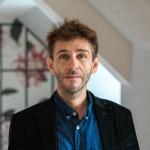
Axes explorés
Group of Hélène LE BUANEC & Jean-David BOUAZIZ – Chronic inflammation: from inflammatory diseases to inflammaging
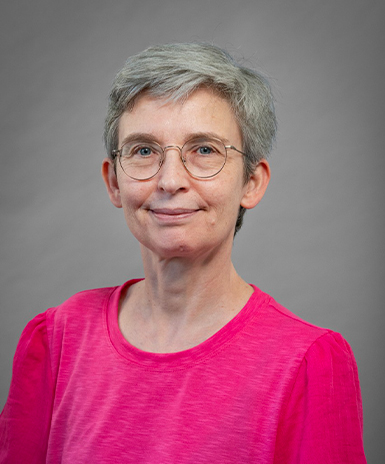
Axis 1: Chronic inflammatory dermatoses
We decipher the immunological endotypes of severe dermatoses (nodular prurigo, interface dermatitis) through a systems immunology approach, in order to identify predictive biomarkers of severity and response to biotherapies, and to guide precision medicine.
Axis 2: Inflammaging and immune resilience
In collaboration with Dr Reem Al-Daccak, we characterize, using the same systems immunology approach, the immune signatures associated with healthy aging in blood and skin, in order to understand the determinants of systemic and cutaneous resilience versus persistent inflammation. We also seek to identify translatable targets and levers capable of modulating and slowing age-associated persistent inflammation, and to guide the development of intervention strategies.
Approaches: We use systems immunology, which combines multiparametric cellular phenotyping (cytometry) and multi-omics profiling. In blood, we integrate transcriptomics (bulk and single-cell), proteomics, and metabolomics; in skin, we combine transcriptomics and tissue analyses with measurements of the cutaneous microbiome, as well as proteomic/metabolomic approaches where relevant.
Group of Reem AL-DACCAK – Rare inflammatory skin diseases
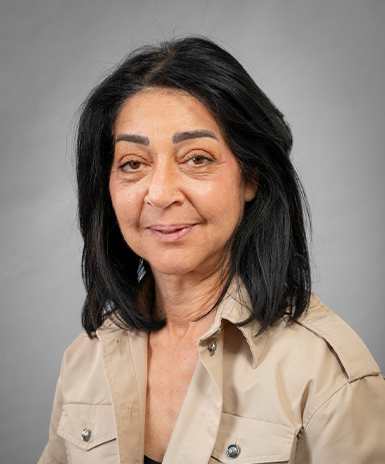
Axis 1: Immuno-pathophysiology of recessive dystrophic epidermolysis bullosa (RDEB)
Recessive dystrophic epidermolysis bullosa (RDEB) is a rare and severe disease caused by mutations in type VII collagen. It manifests as extreme fragility of the skin and mucous membranes, slow healing, and persistent ulcerations. Beyond these symptoms, abnormalities of the immune system and inflammatory response worsen the disease and promote chronic complications. In collaboration with Dr H. Le Buanec, our project aims to better understand the immune pathophysiology of RDEB in order to develop innovative therapeutic strategies. We analyze blood and skin samples from adult patients followed at the MAGEC National Reference Center – Saint-Louis Hospital, in comparison with healthy donors. Using state-of-the-art high-dimensional techniques — single-cell mass cytometry (CyTOF), mass imaging (Hyperion), energy metabolism profiling (SCENITH), and lipidomics — we map immune populations and their functional activity. The data are then integrated via artificial intelligence to define the global immunological signature of patients and identify mechanisms that could guide new targeted therapeutic approaches. Our ultimate goal is to reduce symptoms, improve healing and quality of life for patients, while paving the way for less invasive and more effective interventions.
Axis 2: An innovative approach to relieving RDEB
Reprogramming the immune system to promote healing and tissue regeneration constitutes a promising strategy for RDEB patients. We are testing the hypothesis that extracellular vesicles (EVs/Exs) derived from primary trophoblasts and their HIPEC model cell line can — by reducing inflammation and restoring appropriate immune responses — represent an innovative, cell-free strategy to relieve RDEB symptoms and improve patients’ health and quality of life. We study their impact on adaptive and innate immune cells, their capacity to promote healing, and their role in modulating lipid metabolism, which is essential for immune cell activation and function. In parallel, we identify the active components of EVs/Exs — proteins and microRNAs — responsible for their regulatory activity, through omics approaches and targeted experiments. This work aims to lay the groundwork for an innovative acellular therapy capable of restoring immune homeostasis and supporting tissue repair in RDEB patients.
Group of Charles CASSIUS & Jean-David BOUAZIZ – Inflammatory diseases and hidradenitis suppurativa

Axis 1: ImmuneSkinBank Project
ImmuneSkinBank is a prospective translational cohort conducted at Saint-Louis Hospital, including 600 patients with moderate-to-severe inflammatory skin diseases. The 10-year longitudinal follow-up with repeated sampling enables a multi-omic approach integrating cutaneous transcriptomics, immunophenotyping of lymphocytic and neutrophilic populations (Th1/Th2/Th9/Th17/Th22/Treg), and cutaneous microbiome metagenomics, with the objective of identifying predictive biomarkers of therapeutic response and novel therapeutic targets in inflammatory dermatoses.
Axis 2: Early HS Project
EARLY/HS is a prospective translational cohort aimed at addressing a major gap in the understanding of hidradenitis suppurativa: the average diagnostic delay of 10 years prevents any study of the early natural history of the disease. By enrolling 100 patients developing confirmed HS, the project deploys a multi-omic approach integrating single-cell RNA sequencing and shotgun metagenomics, in order to identify biological signatures predictive of progression toward severe scarring forms (Hurley II/III) and to define host-microbiome endotypes enabling early therapeutic stratification.
Axis 3: WNT-HS Project
The WNT-HS project aims to elucidate the role of the Wnt/β-catenin pathway in hidradenitis suppurativa. This project is conducted in collaboration with the Karolinska Institutet in Stockholm, Sweden.
Group of Laurence MICHEL – Cutaneous healing and Pickering Emulsions
The group’s research focuses on studying the interactions between the immune system and the cutaneous microenvironment under normal and pathological conditions. It is organized along two main axes: (1) cutaneous healing, whether in the context of skin aging or in fibrosing, inflammatory, and autoimmune pathologies; (2) the development of innovative new therapeutic approaches for these cutaneous pathologies: Pickering emulsions.
Axis 1: Cutaneous healing, with two main objectives:
(i) Improving knowledge of the pathophysiology of healing in keloids, cicatricial fibroses, frontal fibrosing alopecia, burns, and aged skin.
(1) Dystrophic healing: Keloid scars are benign collagen-rich scar tumors resulting from an abnormal healing process. We are deepening our work on fibroblast heterogeneity (the main players in keloid formation) by distinguishing superficial/extensive and nodular entities, and within the same keloid, superficial and deep dermis or center and periphery. We study the genetic (single-cell RNAseq) and functional alterations (proliferation, migration, traction forces, etc.) of keloid fibroblasts, and complement our approach using algorithms recently designed by artificial intelligence in order to discover new therapeutic avenues for these benign but difficult-to-treat dystrophic scars.
(2) Healing in burn patients: In order to improve healing and epithelialization mechanisms in burn patients — often impaired in aged skin — we have set up an in vitro/in vivo study with the Reconstructive Surgery Department–Burns Center at Saint-Louis Hospital. This study focuses on the effects of platelet-rich plasma (PRP) components on the functions of cutaneous cells in vitro and in vivo.
(3) Age and healing: Transcriptomic analysis (RNAseq) and the study of secretomic and proteomic signatures (HPLC/mass spectrometry) of young (<35 years) and aged (>55 years) skin fibroblasts, either quiescent or stimulated by TGFβ, have demonstrated differential expression of the majority of cytoskeleton-associated proteins between the two age groups, correlating with altered traction forces and migratory and contractile functions of fibroblasts. These data open up major molecular targets for reversing the signs of skin aging, which we are addressing pharmacologically using innovative phytomolecules encapsulated in emulsions.
(4) Age and hair loss: Our work on cutaneous immunosenescence associated with hair loss in men (androgenetic alopecia) and female fibrosing alopecia is leading us to continue identifying biomarkers, this time in cicatricial alopecia in women (CIFRE PhD 2024–2027 in partnership with L’Oréal). We are conducting an in vivo study in a cohort of 80 pre- or post-menopausal women to quantify biophysical parameters of hair in situ and to identify, from scalp biopsies, molecular and genetic biomarkers associated with age-related hair loss in peri-menopausal women.
(ii) Demonstrating the key role of the innate immune response (neutrophils, NK cells, macrophages, etc.) in the healing process, with the aim of improving the clinical management of wounds and developing new medical devices. Fundamental in vitro studies on innate immune system cells — NK lymphocytes, M2 versus M12 macrophages, and neutrophils — in-depth analysis of their interactions with mesenchymal tissue cells, and study of the effects of calcium alginate dressings commonly used in clinical practice.
Axis 2: Pickering emulsions
Objective: Development of new topical formulations for inflammatory dermatoses and other cutaneous pathologies involving an interaction between immune cells infiltrating the skin and resident cells of the cutaneous microenvironment.
Description: Within the framework of 3 successive ANR projects (ELUSUB 2016–2020, NOEMID 2021–2024, and CRYSTALEM 2025–2028), in collaboration with Prof. Nicolas Huang, physical chemist (Institut Galien), we are developing Pickering emulsions that allow the co-encapsulation of multiple active ingredients: an immunosuppressive agent (e.g., tacrolimus or JAK/STAT inhibitor) inserted into nanoparticles (NPs); an anti-inflammatory agent (e.g., calcitriol, curcumin, etc.) in the oily phase stabilized by the NPs; and a third agent (e.g., hyaluronic acid) in the external aqueous phase, to enhance the smoothness of the preparation and limit — through its moisturizing and anti-aging properties — skin dryness and accelerated aging often seen in inflammatory dermatoses. Targeting more or less rare cutaneous pathologies, whether inflammatory (psoriasis, atopic dermatitis) or fibrosing (e.g., alopecia areata, keloids, morphea, GVHD, scleroderma), all pruritic, by targeting the neuroinflammatory component linked to the cutaneous HPA axis.
Group of Chloé GROLLEAU & Jean-David BOUAZIZ – Autoimmune cutaneous and systemic diseases
Axis 1: Inflammatory landscape in cutaneous IgA vasculitis
IgA vasculitis (IgAV) is one of the most common vasculitides. It affects the skin in almost all cases, and sometimes the digestive system and kidneys, which determines the prognosis of the disease. Treatments are poorly codified and conventional immunosuppressants are frequently used in the absence of targeted alternatives. The pathophysiology of IgAV is poorly understood. Our objective is to characterize the cell populations — resident in the skin and circulating in the blood — involved in IgAV. We hope to characterize the immune cell populations involved in IgAV and their interactions with skin-resident cells, particularly endothelial cells. We also seek to differentiate the cellular and molecular specificities of purely cutaneous IgAV from IgAV with organ involvement. This characterization would allow us to define potential biomarkers and novel therapeutic targets.
Axis 2: Immuno-inflammatory profiles of autoimmune junctional bullous dermatoses (Co-PI: Dorian Obino, IRSL, U1342, ATIP-Avenir “B cells and Skin Biology”)
Co-PI : Dorian Obino (U1342, ATIP-Avenir « B cells and Skin Biology »)
Junctional autoimmune bullous dermatoses (AIBDs) form a heterogeneous group of rare autoimmune diseases affecting the skin and/or mucous membranes, characterized by the presence of pathogenic autoantibodies depositing on the dermo-epidermal membrane. The objective of this work is twofold. On one hand, we seek to explore the cutaneous inflammatory profiles in the less-described forms of junctional bullous dermatoses (epidermolysis bullosa acquisita, atypical borderline forms between bullous and mucous membrane pemphigoid) in order to propose new therapeutic targets. On the other hand, our objective is to study autoreactive B lymphocytes in bullous pemphigoid at both the circulating and tissue levels, and to evaluate the therapeutic potential of their specific targeting.
Team members
Team alumni
Alice DANIAU
Étudiante M2 - 2020
Anastasia DELMOTTE
Étudiante M2 - 2025
Andreaa CALUGAREANU
Autre ch - 2020
Camille ROUX
Étudiant.e M2 - 2023
Clara COUTY
IE - 2024 - 2025
David BERGERAT
CDDA - 2019 - 2023
Dyhia MELBOUCI
Post-Doctorante - 2023 - 2024
Elisa KATCHARIAN
Étudiante M1 - 2022
Enzo MANCHON
Doctorant - 2020 - 2025
Françoise BOISMAL
Doc, Post-doc - 2018 - 2021
Gabor DOBOS
Post-doc - 2018 - 2021
Jeanne PRIGENT
Étudiante M2 - 2025
Jose AMAYA-PINZON
Étudiant M2 - 2023
Laurene ROMANO
IE - 2018 - 2021
Le Britney
Étudiant.e M2 - 2023
Liasmine HABLAL
IE - 2022 - 2024
Marine MERANDET
IE - 2022 - 2025
Maxime SINTES
Doctorant - 2020 - 2023
Nell HIRT
Doctorant - 2021 - 2025
Olivia BARDOU
Étudiant.e M1 - 2024
Quitterie MURAT DE MONTAI
Étudiante M2 - 2024 - 2025
Regina SHAIKHUTDINOVA
Master 2 - 2025
Sandy PELTIER
AI - 2018 - 2021
Sarah DEMOUCHE
Étudiante M2 - 2022
Suzanne TANG
IE - 2020 - 2022
Thibault LABAN
Stagiaire - 2024
Wang YANGZAO
Stagiaire - 2022
Yanis FANOVARD
Étudiant M1 - 2023
Yara ADIB
Doc, Post-doc - 2019 - 2023
Publications
2026 PubMed
Mitochondrial and lipid metabolism rewiring during HEV infection
Quentin Glaziou, Qian Chen, Jordi Gouilly, Ming Wu, Marie Duhamel, Michel Salzet, Jacques Izopet, Reem Al Daccak, Hicham El Costa, Nabila Jabrane‑Ferrat
View2025 PubMed
Impact of BMI and quality of life on dupilumab response in chronic prurigo: A cohort study
Jeanne d'Orsay, Huiyi Ke, Guillaume Mulier, Zijing Yang, Xiaoqing Zhao, Anne Saussine, Chloé Grolleau, Thomas Poisot, Hélène Le Buanec, Clémence Mauppin, Florence Cordoliani, Estelle Charvet, Thibault Mahévas, Gilles Battesti, Emilie Brenaut, Nadia Raison‑Peyron, Marie Tauber, Emmanuelle Amsler, François Aubin, Laurent Misery, Jean David Bouaziz, Meng Pan, Marie Jachiet
View2025 PubMed
Integrative Multiparametric Analysis of Circulating Cell-Free Nucleic Acids of Plasma in Healthy Individuals During Aging
Nicolas P. Tessier, Lise M. Hardy, Florence Mauger, Antoine Daunay, Christian Daviaud, Ilef Hchaichi, Caroline Horgues, Mourad Sahbatou, Hélène Le Buanec, Jean‑François Deleuze, Alexandre How‑Kit
View2025 ASCO Publications
Overall Survival After Allogeneic Transplantation in Advanced Cutaneous T-Cell Lymphomas (CUTALLO): A Propensity Score-Matched Controlled Prospective Study
Adèle de Masson, Marie Beylot‑Barry, Caroline Ram‑Wolff, Jean‑Baptiste Mear, Stéphane Dalle, Jacques Rouanet, Saskia Ingen‑Housz‑Oro, Corentin Orvain, Julie Abraham, Olivier Dereure, Amandine Charbonnier, Jérôme Cornillon, Christine Longvert, Stéphane Barete, Serge Boulinguez, Ewa Wierzbicka‑Hainaut, François Aubin, Marie‑Thérèse Rubio, Marc Bernard, Aline Schmidt‑Tanguy, Roch Houot, Anne Pham‑Ledard, David Michonneau, Hélène Labussière‑Wallet, Jean‑David Bouaziz, Florent Grange, Hélène Moins‑Teisserenc, Katayoun Jondeau, Samia Mourah, Maxime Battistella, Etienne Daguindau, Michael Loschi, Alexandra Picard, Nathalie Franck, Natacha Maillard, Anne Huynh, Stéphanie Nguyen, Ambroise Marçais, Guillaume Chaby, Patrice Ceballos, Yannick Le Corre, Sébastien Maury, Jacques‑Olivier Bay, Henri Adamski, Emmanuel Bachy, Edouard Forcade, Gérard Socié, Martine Bagot, Sylvie Chevret, Régis Peffault de Latour, CUTALLO Investigators, Groupe Français d’Étude des Lymphomes Cutanés, Société Française de Greffe de Moëlle et Thérapie Cellulaire
View